
A short while ago the CRMKonvos team had the opportunity to invite Frank Tjaben of SugarCRM into our living rooms or home offices for a lively discussion about whether businesses are facing a crisis of customer relationship management and if so, why.
To use some slightly clichéd terminology, Frank has been both a hunter and a farmer throughout his career, putting him in a unique place to talk about exactly this topic. He has seen it from both sides—as a user and seller of CRM software. He started his career as a call center agent, and then held various sales and sales management positions, including customer advisory roles for both enterprise organisations and SMBs. He says that a sales person’s main objective is to get into an as good as possible dialogue with the customer, regardless of one’s actual role. At the end of the day it is about solving a customer’s problem. He firmly believes that those who understand the customer best are the ones who close the deal.
This is where the value of CRM systems begins. These systems are good for managing to-dos and activities, which is important in sales. It is important to be reliable. “It might sound conservative, but then sales is a conservative craft,” Frank says. “If you make an appointment for next week, then this is what is meant, an appointment.”
He maintains that this, although important, is only a part of it. It only looks at the basics. The business evolves. Therefore, customers need to also know that the vendor’s product vision matches their future needs.
The big question is: What makes the system right?
At its foundation, the sales team must have access to all data that they need. At the same time, this data needs to be prepared and presented in a way that makes it actually helpful and avoids blind spots that could cause a loss of business. There is no use in having thousands of data points if they are not easily accessible and brought into context. In other words, data needs to be turned into information. Additionally, this data should enter into the system with minimum effort to avoid unproductive busywork. After all, according to the recent SugarCRM CRM and Sales Impact report, sales reps are, on average, spending only 54 percent of their time actually doing what they want to do: Work with their customers and sell.
The last aspect that needs to be covered is the consistent availability of data and information across departments, from Marketing via Sales to Service.
Now, the bad news. According to SugarCRM’s findings, CRM systems are not delivering, and this more than 40 years after the emergence of the first sales support or computer aided selling systems. To this day, more than 50 percent of sales professionals report that they cannot access the same data across departments. About half of them say that their system is unfit to provide the critical details they need to attain their quota. In summary, more than half of sales leaders are of the opinion that their CRM system makes them lose potential revenue opportunities.
What can be done about it?
One big step in the right direction is platform thinking, following the hierarchy of customer or user expectations. At the minimum, things need to function reliably. From then on, it needs to be efficient, cause minimum busywork and friction for the users while providing maximum value.
Secondly, the system needs to be enjoyable to work with, allowing users to work the way they need to work, not the way the system forces them to. Tools are supposed to make work easier, not harder.
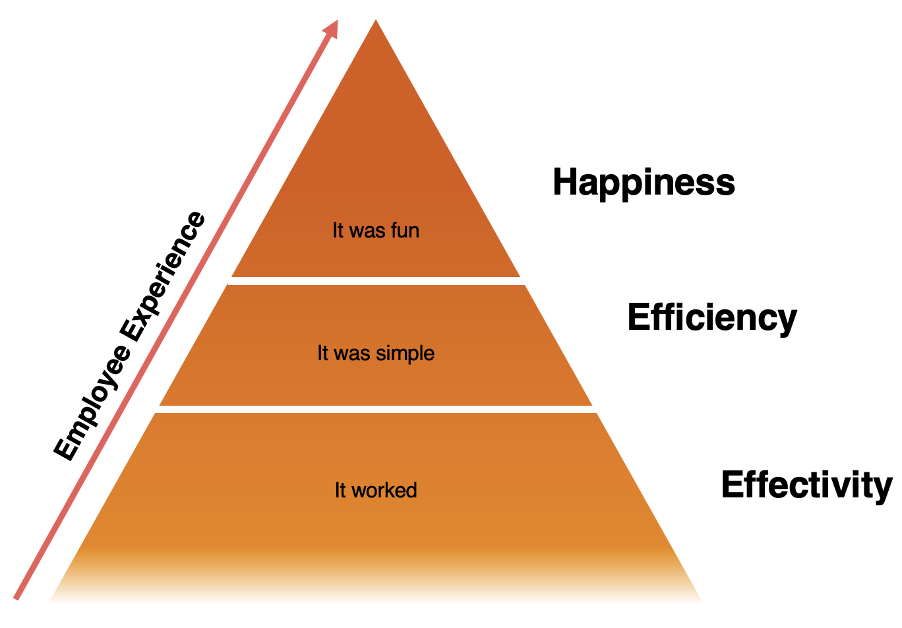
Figure 1: Pyramid of employee expectations
This requires a platform. A platform that consistently holds the relevant data, that helps in surfacing information—not data—at the right time and that offers additional applications with a consistent UI that share and display this data in an efficient and useful way.
This is why SugarCRM’s new message to let the platform do the work for you rings quite a bell for me. It follows a thinking that is similar to what I expressed in a recent article about why sales reps still hate their CRM.
In Sugar’s world this pyramid translates to:
· No blind spots – which I translate to: It works
· No busy work – which I translate to: It is simple
· No roadblocks – which I translate to: it is fun
As Frank Tjaben said correctly during our CRMKonvo, CRM and CX are not objectives, they are journeys that need to be based upon a strategy. This strategy needs to evolve as the market and the world around oneself change. However, basing this strategic journey on the above simple customer oriented cornerstones helps in staying on track. If this strategy is in line with and driven by the brand promise, the resulting experience that a user — and also a customer — has, matches their expectations.
This needs the right technology, including machine learning technologies that enable progress towards these objectives. It starts with simple things like lead, opportunity, and account scoring, account enrichment, and next best actions, and then innovates from there. In Sugar’s understanding, this is where and how the platform should work.
However, getting there needs not only the right technology but also the right project partners. The ones who ask the right questions, listen, understand—and then collaboratively deliver a system that works for its users, so that they can do their job.
Comments
Post a Comment